
Selling Your WordPress Plugin or Theme Business
Over the past few years, we’ve seen many acquisitions and merges in the WordPress space. Here’s a brief overview of how they work and what to look out for as a buyer or a seller.


Over the past few years, we’ve seen many acquisitions and merges in the WordPress space. Here’s a brief overview of how they work and what to look out for as a buyer or a seller.
Whenever you need to add custom code to your WordPress site, the typical recommendation is to put it in the theme’s functions.php file. I don’t like doing that as it’s easy to forget to copy-paste that code to the new theme when it’s time to a refresh.
Moreover, if done in that manner, you don’t have the ability to switch on or off certain functions.
The solution for me has been the following plugins:.
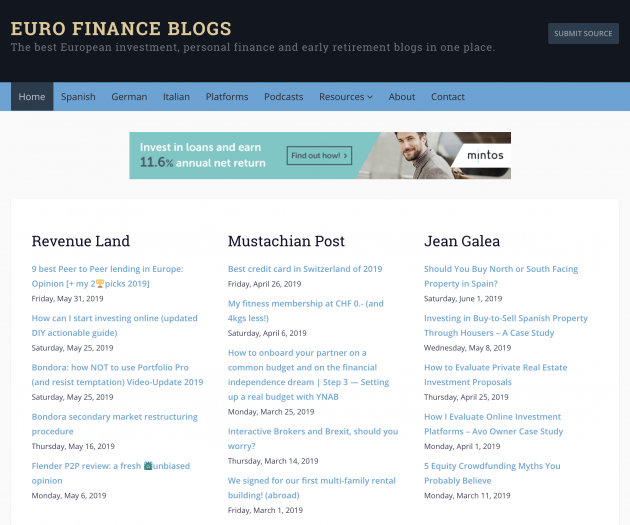
Becoming an influencer in a new niche can take considerable time if you go the traditional route of starting a blog/social media account/podcast and start producing content slowly about the topic of choice.
I like to accelerate that process by using the WordPress plugin WP RSS Aggregator. This plugin allows you to pull in content from other websites and social media. Basically, any web platform that outputs an RSS feed.
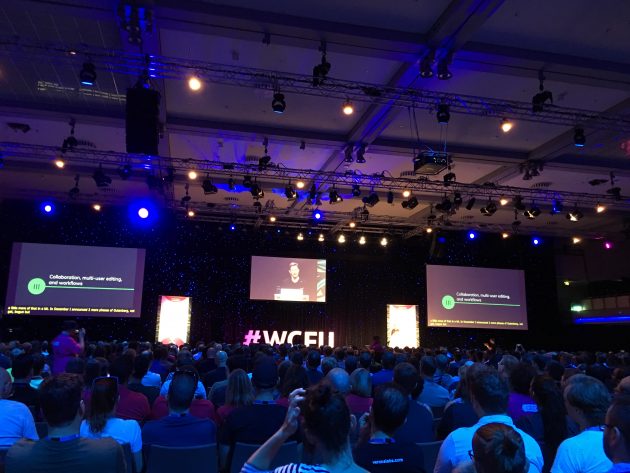
Last weekend our team attended WordCamp Europe in Berlin. It was a tremendous success and the biggest WordCamp in history, with over 3200 registrations.

In this post I’d like to talk about money, specifically the profits you make from your WordPress business. I don’t really care what type of business you have, whether you’re a freelancer, agency, plugin or theme seller, SAAS owner, etc.
Build complete WordPress sites without coding. Is that really possible? The Toolset plugins from OnTheGoSystems promise that yes, it is possible. We have a special 20% discount for our readers too.
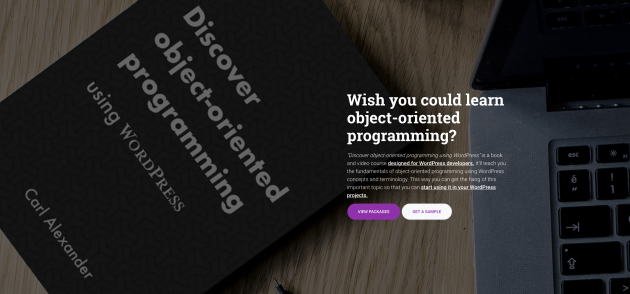
One of the biggest criticisms aimed at WordPress and many of the developers within our ecosystem is the overuse of procedural coding and lack of proper object-oriented coding principles.
It’s a topic that’s been discussed over and over, including an episode on the Mastermind.fm show. In fact, Carl Alexander, one of the major OOP evangelists in the WP world, was on that show. The great news is that he has just released a course about object-oriented programming in WordPress.
In this post, I’ll show you some of my favorite third-party extension developers. While there are many sellers of WooCommerce extensions, it is very important to get your WooCommerce plugins from reputable companies who develop with good coding practices and provide quality support and updates. You don’t want your online store (that’s hopefully making you good money) to rely on copycat plugins or shoddily built ones. When you have any doubts or need quick help, you want companies that will feel responsible for your site’s wellbeing and offer help when needed.

In an increasingly globalised world, many businesses are waking up to the fact that there is a bigger world out there and many other markets that they can grow into. Of course, the biggest problem is how to cross the cultural and language barriers and reach those people in other markets.

Gutenberg has gotten off to a very shaky start, but it seems like it’s here to stay. Hopefully, all the kinks will be ironed out over time. The next question to consider is how it will affect WordPress page builders, such as the following popular ones: Elementor Beaver Builder Visual

SEO is a very interesting topic that every website owner should be well versed in. Here are my top resources for learning how to rank your business.
The latest big innovation to come to WordPress, Gutenberg, appears to be failing hard, at least judging by user reception and reviews on the plugin’s profile on WordPress.org. The Gutenberg project has been heavily criticised ever since it was announced by Matt Mullenweg a few years back. The biggest concerns have been about the way that feedback from developers and users was handled (mostly apparently ignored), whether this should have been the focus of the core development team versus other features, and how it will affect themes and existing websites.